Chick-Fil-A

Chick-Fil-A is an American brand of fast food with locations scattered across the country and a devoted following in the south. While the brand has sparked controversy over some respects in the past their overall policies surrounding time off for employees, compensation and principled service seem to be in keeping with the ideas of corporate social responsibility. Along with the treatment of employees the company also has enacted policies that are ecofriendly and community based while donating significant funds to certain charitable organizations.

Concerning the company’s waste footprint they have in recent years

  • Used 100% recycled materials for trays and napkins
  •  Expanded the use of polystyrene recyclable cups
  • Retrofitted 1,200 restaurants with energy efficient appliances (Weebly, 2018)

The company has also given back to the community by

  • Donating food to those in need
  • Providing scholarships to team members
  • Expanded individual franchise events that allow each store to mold to its community.
  • $1.3 million awarded to 23 nonprofit organizations
  • Innovation, entrepreneur programs, youth leadership training (Chick-Fil-A, 2018)

As a Chick-Fil-A team member employees enjoy perks such as

  • Free lunch
  • Scholarship program
  • Flexible hours
  • Guaranteed Sundays off
  • Slightly higher than average starting pay for the industry (Lutz, 2015) (Chick-Fil-A, 2018)

By treating employees well, the service is notably better than that of other fast food competitors and the speed in which meals are delivered during peak times are spoken of as if they were lore. Further their methods of becoming a team player by encouraging strong families and strong communities makes them a community staple in many suburban areas.

While the company is typically thought of in a positive light comments by the owner in 2012 about the morality of gay marriage affected the company from a political standpoint (White, 2012). It was long known that the company had conservative roots and leadership (thus they are always closed on Sunday) but the intrusion into the political sphere was divisive and ill regarded by many. In itself the comment may not be linked directly to CSR practices, but the affect it had may have come with negative PR and acted to polarize communities with just as many consumers being driven away as pulled in by the comments (Olsen& Veerman, 2010). On the left of the isle different LGBTQ groups asked people to boycott while conservatives staged eat ins and frequented the restaurant more often to show support. In retrospect a more inclusive and socially responsible statement would have been about what the company supports as opposed to what it doesn’t or a broad spectrum statement that would be thought of as inclusive for all instead of biased against some.

Though foolish, environmental concerns have been politicized over the years to a Left v Right issue. That being said Chick-Fil-A does not appear to go overly deep into supporting environmental causes though they do implement simple practices that can reduce and reuse waste products. Given the company’s appeal to conservative diners and their politicized image since the 2012 incident I do believe that they believe in stewardship and are participating in environmental programs in earnest rather than for profit.

References

Chick-Fil-A. (2018). Giving Back. Retrieved February 19, 2019, from https://www.chick-fil-a.com/About/Giving-Back

Kauflin, J. (2017, December 06). The Best Places To Work In 2018. Retrieved February 19, 2019, from https://www.forbes.com/sites/jeffkauflin/2017/12/06/the-best-places-to-work-in-2018/#3c97a0fd742e

Lutz, A. (2015, April 01). The 10 best-paying jobs in fast food. Retrieved February 19, 2019, from https://www.businessinsider.com/highest-paying-fast-food-jobs-2015-4

Olsen, K., & Veerman, B. (2010, January 13). One Smooth Stone Corporate Social Responsibility. Retrieved February 19, 2019, from https://www.slideshare.net/gvlk/one-smooth-stone-corporate-social-responsibility-2907719

Weebly. (2018). Chick-Fil-A. Retrieved February 19, 2019, from https://eteconnectionsproject.weebly.com/chick-fil-a.html

White, M. D. (2012, August 8). Chick-fil-A, Corporate Social Responsibility, and Ethical Consumption. Retrieved February 19, 2019, from https://www.economicsandethics.org/2012/08/chick-fil-a-corporate-social-responsibility-and-ethical-consumption.html
 

McDonald’s: burgers for the whole world

An ongoing ethical issue in the U.S is our food production, consumption and marketing methods. Many documentary films have been made in recent years concerning sugar, meat harvesting and chemicals that Americans eat every day, but perhaps the most iconic and quite possibly godfather to many was Morgan Spurlock’s Super-Size Me. Super-Size Me followed a healthy male around for 30 days while he consumed unlimited calories from McDonald’s, conducted quasi science experiments on their food and gradually deteriorated in health while packing on pounds and pounds of fat. The documentary called into question the ethics of the company in their marketing to children, and their role in the U.S obesity epidemic while other actions against them claim wage theft/ poverty level pay and exploitation of workers.

The real start to the McDonald’s Corporation was with Ray Croc in 1961 after buying the rights to the business from the McDonald brothers (McDonald’s, 2019). The business became so wildly successful that even after the 2004 Spurlock documentary sales revenue continued to grow every year except 2009 (Glennen, 2017). The company maintained massive growth as the chain expanded globally. As of 2016 there are 36,000 restaurants in 100 countries with Kazakhstan being the latest addition to the list, however revenue has been in decline since 2013  (Mcdonald’s, 2019) (Glennen, 2017). While investors argue over what stage the company might be in today and if they are posing for the rebound the data indicated by slowed growth seems to show that the negative press came about in the company’s maturity phase and has followed it to a decline that began around 2013 (Glenne, 2017). For the purposes of this blog we will examine how the company approached it’s ethical issues during maturity and may have extended that phase longer than many may have expected.

McDonald’s has addressed each charge and taken steps to mitigate public backlash. One of the earlier instances where the company found itself in hot water was their use of primary colors and cartoon characters to market to young children (Weebly, 2019). This issue was a double edged sword; on one hand the company was providing a great service to families with ill children via the Ronald McDonald house on the other many thought that using a clown to market unhealthy food to children was less than socially responsible. In order to combat these charges McDonald’s instituted a campaign that showed Ronald McDonald snowboarding and engaging in other fitness activities to promote healthy ideas a “Global ambassador of fun, fitness and Children’s wellbeing” as opposed to his former title of “chief happiness officer” (Smallwood, 2019). Further the role of the Ronald McDonald charities was expanded from housing families in need to providing support rooms in hospitals and sending mobile hospital units to vulnerable communities (RMCH, 2019). On the product front McDonald’s began to offer healthier alternatives across the menu but specifically on kid’s menus which provided the option for juice, apple slices and yogurt over fires and a soda. The efforts appear to have been well received as the company continued to grow revenue in the early 2000’s amidst the allegations (Glennen, 2017).

Another ethical issue that McDonald’s has faced in the U.S is the fight for $15. Worker’s claims included long hours, pay which does not provide a living wage and poor treatment by management. These complaints resulted in different protest across the country and national news attention. In order to appear co-operative and mindful of employee concerns the company made a promise of at least $1 an hour above minimum wage for starting pay (Duprey, 2018). These complaints began in 2016 during the decline phase for the company which appears to have continued into 2018 marking some of the worst years for franchise growth in the company’s history. One way they may be able to address wage concerns and problems in other countries might be to replace the majority of the staff with automated systems that enhance customer experience via efficiency and are in keeping with the speed and innovation the McDonald brothers began with.

From the data available on company growth it appears that the changes made in the early 2000’s were adequate in maintaining and acquiring customers. People must have enjoyed the new menu that included premium beef and healthy alternatives as well as the new charity initiatives from the company. If I were to make one recommendation on another change that would have been socially responsible and well received it would be beverage portion control. Refills tend to be free regardless, so in order to enhance a healthy imagine McDonald’s could have reduced their production of super large cups and went to a one size fits all model. Prices can remain the same, customers don’t feel shorted and they can promote themselves as calorie conscious. Concerning the company’s current issues as the brand reaches further into decline they can both address worker issues and new competition from fast casual chains by staying health conscious, inexpensive, and expediting the food prep process through automation. Fast casual chains feel homier and inviting which give them a competitive edge (Glennen, 2017). On the other hand they are expensive and while they seem healthier to some the fact is calorie density is very similar to chains like McDonald’s. To address these issue the company should maintain low prices, automate and improve their system as much and possible and focus a campaign towards the fact that a calorie is a calorie regardless of what burger you choose.


References

Duprey, R. (2018, October 25). Why a McDonald’s $15 Minimum Wage Wouldn’t Be as Big as Amazon’s. Retrieved February 6, 2019, from https://www.fool.com/investing/2018/10/25/why-a-mcdonalds-15-minimum-wage-wouldnt-be-the-sam.aspx


Glennen, C. (2017, June 28). The rise of McDonald’s: From super sized criticism to progressive burger company. Retrieved February 6, 2019, from https://www.worldfinance.com/markets/the-rise-of-mcdonalds-from-super-sized-criticism-to-progressive-burger-company


McDonald’s. (2019). History. Retrieved February 6, 2019, from https://corporate.mcdonalds.com/corpmcd/about-us/history.html


RMHC. (2019). Our charity of choice:Ronald McDonald House Charities® (RMHC®). Retrieved February 6, 2019, from https://corporate.mcdonalds.com/corpmcd/scale-for-good/our-people-and-communities/ronald-mcconald-house-charities.html


Smallwood, K. (2018, August 15). What Ever Happened to Ronald McDonald? (And the Bizarre Rules for Those Playing the Character). Retrieved February 6, 2019, from http://www.todayifoundout.com/index.php/2018/08/the-bizarre-rules-surrounding-being-ronald-mcdonald/


Weebly. (n.d). McDonald’s ethical issues. Retrieved February 6, 2019, from https://mcdonaldsethics.weebly.com/mcdonalds-ethical-issues.html

The People V Gates & Jobs

When comparing modern day tech giants like Apple and Microsoft It is important to understand where each company was at the turn of the century and how that may have affected where they are now. In 1999 a federal judge ruled that Microsoft was a monopoly which needed to be remedied in order to create fairness in the growing market, later in 2000 a verdict was reached to entail just what these changes would be. Judge Jackson ordered that Microsoft be split into two separate entities that operated in somewhat different spaces (Fitzpatrick, 2014). This ruling would never actually come to be as the judge was later accused of unethical behavior and the company reached a compromise where they would make their software less proprietary and easier to work with by other fledgling tech companies (Fitzpatrick, 2014).

At around the same time in the early 2000’s Apple suffered from weak sales and substantial financial issues which were somewhat due macro-economic conditions. Overall sales slumped with the Power Book and Power Mac while the company was seriously under preforming in desktop sales as their tech just did not seem to match the competition. Fortunately in 2003 IPod sales began to take off as did ITunes sales establishing the company in the personal media device market and creating a niche in which they were not only competitive but dominant (Sanford, n.d).

Today comparing the rivalry is somewhat apples and oranges. If we were to consider market share concerning desktops and what operating system they utilize Microsoft is clearly the big dog with Windows owning 75.47% of systems on the market and IOS X owning 12.33% (Statcounter, 2019). However if we look at market cap from a financial perspective the two are neck and neck with Apple at $807.945B and Microsoft narrowly ahead at $809.051B on the race to 1 trillion. This is likely because of Apples dominance in the mobile market with 73.37% of tablets sold using IOS and .18% of tablet utilizing Microsoft (Statcounter, 2019).  Because of these differences in product the most effective method to utilize in determining status will have to be market cap and company value giving Microsoft a narrow almost $ 2 Billion dollar victory.

I keeping with its roots, Microsoft has a strategy that involves acquires new companies with new tech, integrating their technology and advertising the brand for its efficiency and universal nature. On the other hand Apple operating systems are much more proprietary offering some advantages if a person has all of their systems on IOS or OSX.  Because of this it has been my experience that the military and many corporations shy away from Apple products over concerns of their compatibility with already existing company software. In a twist of fate Apple essentially has the approach of a late 90’s early 2000’s Microsoft and it could be costing them business.

Since the invention of the IPhone Apple has come to rest on it’s laurels coming out with small variations to their top selling product every year. The new phone typically comes with an interesting new development but nothing revolutionary which helps them in a retention strategy but does less to acquire new customers (Kardes, 2015 pg. 85). A few ways the company could modify its strategy to become more competitive with Microsoft seem simple but could require the company to change its entire identity if not managed correctly. Initially they could invest in research and development in order to expand their product line, emerging technology like Virtual reality or augmented reality is young enough for the company to be a primary competitor in and if they manage the product correctly they could take over in the way they took over the mp3 player market with the iPod and iPhone (Kardes, 2015 pg.83).  Another strategy might be to loosen their strangle hold on protected information and resort to the open source forms that many other modern tech companies do. By rebranding as a “global partner” Apple will be able to develop more relationships and branch out to more developing projects while reducing customer dependence on the Apple support system (Kardes, 2015 pg.79). Finally in recent years Apple has seen backlash in news publications over their treatment of employees at their Foxconn production facility in China. Worker deaths and rumors of suicide catch nets being placed around the facility to prevent further suicide attempts have gained the attention of watchdog groups who have gone on to criticize the company. Between allegations of tax avoidance and human rights violation Apple could help them by altering their brand identity to a more morally sound footing which could continue their appeal with Gen Z as they become market influencers (Cuthbertson, 2018) (Gutfreund, 2015).

On an individual level I do not believe that people prefer Microsoft over Apple especially when considering tablets and phones. It does appear that large entities with complex networks that must function together reliably and be maintained by internal staff much prefer Microsoft giving them a major advantage in B2B and therefore bulk sales. Personally I utilize Microsoft for my personal lab top and work computer because I am use to the program and that’s what I was given. I use Apple as a phone primarily because it was the brand I was aware of when purchasing my first smart phone in 2014 and it hasn’t died yet. As uncomforting as it may be whenever the current phone dies I am likely to choose a new operating system as newer IPhones have become drastically more expensive that many competitors.

References


Cuthbertson, A. (2018, February 11). The human cost of Apple’s most expensive iPhone ever. Retrieved February 5, 2019, from https://www.newsweek.com/iphone-x-release-human-cost-apples-most-expensive-ever-iphone-699901

Fitzpatrick, A. (2014, November 05). The Microsoft Monopoly Ruling Aftermath: Why Microsoft Didn’t Split. Retrieved February 5, 2019, from http://time.com/3553242/microsoft-monopoly/

Gutfreund, J. (2015, August 25). Jamie Gutfreund: Realism and Idealism: Understanding Gen Z (Future of Storytelling 2015). Retrieved February 5, 2019, from https://www.youtube.com/watch?v=ZN8akfgKXNY

Kardes, F. (2015). [Chapter 3]. Consumer Behavior,2e Retrieved from https://mbsdirect.vitalsource.com/#/books/9781305161689/

Sanford, G. D. (n.d). Apple-history.com. Retrieved February 5, 2019, from https://apple-history.com/h8

Statcounter. (2019, January). Tablet Operating System Market Share Worldwide. Retrieved February 4, 2019, from http://gs.statcounter.com/os-market-share/tablet/worldwide

The People V Gates & Jobs

When comparing modern day tech giants like Apple and Microsoft It is important to understand where each company was at the turn of the century and how that may have affected where they are now. In 1999 a federal judge ruled that Microsoft was a monopoly which needed to be remedied in order to create fairness in the growing market, later in 2000 a verdict was reached to entail just what these changes would be. Judge Jackson ordered that Microsoft be split into two separate entities that operated in somewhat different spaces (Fitzpatrick, 2014). This ruling would never actually come to be as the judge was later accused of unethical behavior and the company reached a compromise where they would make their software less proprietary and easier to work with by other fledgling tech companies (Fitzpatrick, 2014).

At around the same time in the early 2000’s Apple suffered from weak sales and substantial financial issues which were somewhat due macro-economic conditions. Overall sales slumped with the Power Book and Power Mac while the company was seriously under preforming in desktop sales as their tech just did not seem to match the competition. Fortunately in 2003 IPod sales began to take off as did ITunes sales establishing the company in the personal media device market and creating a niche in which they were not only competitive but dominant (Sanford, n.d).

Today comparing the rivalry is somewhat apples and oranges. If we were to consider market share concerning desktops and what operating system they utilize Microsoft is clearly the big dog with Windows owning 75.47% of systems on the market and IOS X owning 12.33% (Statcounter, 2019). However if we look at market cap from a financial perspective the two are neck and neck with Apple at $807.945B and Microsoft narrowly ahead at $809.051B on the race to 1 trillion. This is likely because of Apples dominance in the mobile market with 73.37% of tablets sold using IOS and .18% of tablet utilizing Microsoft (Statcounter, 2019).  Because of these differences in product the most effective method to utilize in determining status will have to be market cap and company value giving Microsoft a narrow almost $ 2 Billion dollar victory.

I keeping with its roots, Microsoft has a strategy that involves acquires new companies with new tech, integrating their technology and advertising the brand for its efficiency and universal nature. On the other hand Apple operating systems are much more proprietary offering some advantages if a person has all of their systems on IOS or OSX.  Because of this it has been my experience that the military and many corporations shy away from Apple products over concerns of their compatibility with already existing company software. In a twist of fate Apple essentially has the approach of a late 90’s early 2000’s Microsoft and it could be costing them business.

Since the invention of the IPhone Apple has come to rest on it’s laurels coming out with small variations to their top selling product every year. The new phone typically comes with an interesting new development but nothing revolutionary which helps them in a retention strategy but does less to acquire new customers (Kardes, 2015 pg. 85). A few ways the company could modify its strategy to become more competitive with Microsoft seem simple but could require the company to change its entire identity if not managed correctly. Initially they could invest in research and development in order to expand their product line, emerging technology like Virtual reality or augmented reality is young enough for the company to be a primary competitor in and if they manage the product correctly they could take over in the way they took over the mp3 player market with the iPod and iPhone (Kardes, 2015 pg.83).  Another strategy might be to loosen their strangle hold on protected information and resort to the open source forms that many other modern tech companies do. By rebranding as a “global partner” Apple will be able to develop more relationships and branch out to more developing projects while reducing customer dependence on the Apple support system (Kardes, 2015 pg.79). Finally in recent years Apple has seen backlash in news publications over their treatment of employees at their Foxconn production facility in China. Worker deaths and rumors of suicide catch nets being placed around the facility to prevent further suicide attempts have gained the attention of watchdog groups who have gone on to criticize the company. Between allegations of tax avoidance and human rights violation Apple could help them by altering their brand identity to a more morally sound footing which could continue their appeal with Gen Z as they become market influencers (Cuthbertson, 2018) (Gutfreund, 2015).

On an individual level I do not believe that people prefer Microsoft over Apple especially when considering tablets and phones. It does appear that large entities with complex networks that must function together reliably and be maintained by internal staff much prefer Microsoft giving them a major advantage in B2B and therefore bulk sales. Personally I utilize Microsoft for my personal lab top and work computer because I am use to the program and that’s what I was given. I use Apple as a phone primarily because it was the brand I was aware of when purchasing my first smart phone in 2014 and it hasn’t died yet. As uncomforting as it may be whenever the current phone dies I am likely to choose a new operating system as newer IPhones have become drastically more expensive that many competitors.

References


Cuthbertson, A. (2018, February 11). The human cost of Apple’s most expensive iPhone ever. Retrieved February 5, 2019, from https://www.newsweek.com/iphone-x-release-human-cost-apples-most-expensive-ever-iphone-699901

Fitzpatrick, A. (2014, November 05). The Microsoft Monopoly Ruling Aftermath: Why Microsoft Didn’t Split. Retrieved February 5, 2019, from http://time.com/3553242/microsoft-monopoly/

Gutfreund, J. (2015, August 25). Jamie Gutfreund: Realism and Idealism: Understanding Gen Z (Future of Storytelling 2015). Retrieved February 5, 2019, from https://www.youtube.com/watch?v=ZN8akfgKXNY

Kardes, F. (2015). [Chapter 3]. Consumer Behavior,2e Retrieved from https://mbsdirect.vitalsource.com/#/books/9781305161689/

Sanford, G. D. (n.d). Apple-history.com. Retrieved February 5, 2019, from https://apple-history.com/h8

Statcounter. (2019, January). Tablet Operating System Market Share Worldwide. Retrieved February 4, 2019, from http://gs.statcounter.com/os-market-share/tablet/worldwide

UA Market Segmentation

Under Armour or UA, a premier brand in athletic clothes grew from a basement ran T-shirt maker in 1996 to a global giant in 2017 with nearly 5 billion in sales and a collaboration deal with mega star Dwayne “The Rock” Johnson. By 2013 the company had already reached monolithic proportions with sales around 2.3 billion but only 21% (500 million) of that came from female buyers even though they make up nearly half of potential customers. Because of the untapped potential under UA focused its efforts on to potential female customers with the “I will what I want” campaign that focused on a female dancer; who despite the odds made her own dreams comes true (Maheshwari, 2014). Prior to this ad UA had an aggregated strategy that focused on athletics in general but after the campaign they were able differentiate their female line using differentiated segmentation to cater to specific needs (Kardes, 2015 pg. 42-43). This is important because the brand isn’t leaving the male athletics market, they were simply making their same image appeal to a new market segment that did not feel connected to the brand.

When seeking out a segment or in this case a new segment to grow an already massive business it is important not to alienate the original customers. Of course the company wants to get involved with an untapped market segment, but if in doing so the already massive men’s’ segment falls the action is self-defeating or cannibalizing. Fortunately, in this case men and women’s different taste prevent the company from competing with itself (Kardes, 2015 pg.45). Secondly we need to consider the cost of sales. As seen in the Adidas case there was an attempt to increase sales to women that fell flat, but the attempted viral failure was likely not a costly one(Clapp, 2019). UA put 15 million dollars into their swipe at garnering the female market and increase female sales by 28% or 140 million indicating that the potential market was large enough to be segmented and catered too (Nudd, 2015). Another consideration for segmenting the market is geography; do we need to focus our attentions on the country or world at large or scale are marketing to key points globally (Kardes, 2015 pg.47). The U.S overall presents a giant target in the athletics department, but certain areas and states just don’t seem to prioritize fitness.

Like geography we can also segment based on demographic and focus on areas that have a higher concentration of the women UA is seeking out. Certain areas and messaging platforms may favor males or older women less interested in fitness apparel. An example of this would be using YouTube in viral video distribution, YouTube favors males at 62% and 80% of views are outside of the U.S. this means that while it is a good idea to have the content available on YouTube it would benefit UA to distribute a female centric video on more female centered platforms and channels (Aslam, 2019). By paying the appropriate attention to all of these aspects we help form a geo-demographic idea that allows us to focus our attention on the most target rich of areas and create efficiency around our marketing campaign (Kardes, 2019 pg.48).

A combination of two groups that may make a potentially profitable segment are late baby boomers and early gen Xers, a group of people born between 1960-1970 (plus or minus a few years). In recent years this group has seen a rejuvenation of wealth as once demolished 401k plans come back to life, alimony payments and child support conclude, and their children who have reached their late 20’s and early 30’s are hopefully leaving the house. These people are male and female between 55-68 years old, and multi ethnic. Though middle class they have had their belts tightened as they support a family or in many cases multiple broken families. Because of their new found relaxed financial situation I believe that this demographic is poised to make higher end comfort purchases, travel arrangements and other higher dollar items that they feel they missed out on in earlier life.

In order to reach this segment, we will use the media that they are most accustom to. Currently Facebook is the most used social media by the older demographic with “62% of online Seniors aged 65+ are on Facebook and 72% are between age 50-64” (Aslam, 2019). Another avenue to reach this segment would be television commercials. Currently between 58% and 68% of 55-74-year old place watching television above other forms of media making them prime targets for traditional television ads (Blodget, 2014). Finally we should institute campaigns that encourage word of mouth both on social media and traditionally gen Xers tend to distrust large corporations and marketing and boomers are excited about new experiences making them susceptible to suggestions by friends (Friesner, 2018). In any case both groups have disposable income that they are not accustom to, social media they are only beginning to understand and a lifetime of bucket list dreams that they want to make a reality.


 References 

Aslam, S. (2019, January 06). YouTube by the Numbers: Stats, Demographics & Fun Facts. Retrieved January 20, 2019, from https://www.omnicoreagency.com/youtube-statistics/

Aslam, S. (2019, January 06). Facebook by the Numbers: Stats, Demographics & Fun Facts. Retrieved January 20, 2019, from https://www.omnicoreagency.com/facebook-statistics/

Blodget, H. (2014, May 04). If Newspapers And Magazines Think Life Is Tough Now, They Won’t Want To See What Happens Next… Retrieved January 20, 2019, from https://www.businessinsider.com/media-usage-by-age-2014-5

Clapp. (2019). Clapp Communication. Retrieved January 20, 2019, from http://www.clappcommunications.com/company/blog/under-armour-i-will-what-i-want-and-why-it-works/

Friesner, T. (2018). The Six Living Generations In America. Retrieved January 20, 2019, from http://www.marketingteacher.com/the-six-living-generations-in-america/

Nudd, T. (2015, June 24). Droga5’s Gisele Campaign for Under Armour Scores the Cyber Grand Prix at Cannes. Retrieved January 20, 2019, from https://www.adweek.com/brand-marketing/droga5s-gisele-campaign-under-armour-scores-cyber-grand-prix-cannes-165541/

Kardes, F.(2015). Consumer Behavior, 2nd Edition. [Chapter 2]. Retrieved from https://mbsdirect.vitalsource.com/#/books/undefined/

Maheshwari, S. (July 31, 2014) “Why Under Armour Made That Mesmerizing Ad with Ballerina Misty Copeland,” BuzzFeed News, http://www.buzzfeed.com/sapna/under-armours-powerful-new-misty-copeland-ad-kicks-off-recor#.ookjnO1r9(accessed May 2, 2016)

(Maheshwari, 2014)

XFL As a Brand


In 1999 Vince McMahon and the World Wrestling Federation sought to bring recklessness and hard hitting action back to the game of football with the XFL. It was thought by many that football as a sport was growing softer and less entertaining as new rules involving contact were initiated in order to reduce injury. Seeking to change this the XFL would not only remove the new rules but offered even more action; ridding the league of fair catch and having players fight over a ball instead of call a coin in the air were just a few of the changes to the game (XFL, 2001). Other changes that were instituted to identify the new league’s brand were stronger; action inspired team names and story lines of rivalry amongst teams and players much like pro wrestling also they live streamed unscripted trash talk from players. Overall the vision was to deliver a version of football that was fantastical, violent and unencumbered; a macho man’s modern day gladiatorial arena of sorts. In the end the brand was unable to survive for various reasons in the development phase, but its initial positioning efforts were in fact very strong, proving that the strength of the products needs to at least come close to the promises of the brand.

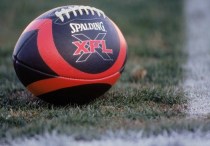
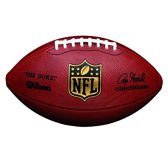
Three obvious points that the brand used in order to position its self were the name, slogan and logo. The name XFL or Extreme Football League told the public just about all they needed to know, its football just and extreme version of it. The logo opted for an X as opposed to an E which provided a more aggressive look especially when comparing the company’s black and red XFL ball to the classic plain brown football.


xflnfl

Finally we have the company slogan “real men, real football” which was used to convey a sense of quality to the game, a brutish union of high quality athletes that could rival the toughest competitors on the field. In all cases name, logo and slogan it appears that the company was successful in imprinting their vison onto competitors, internal and external stakeholder and fans at the very beginning of the development phase (Stobart, 2011). Evidence of this was demonstrated opening night February 7th 2001 where the XFL more than doubled expected ratings and sold out games at the first three arenas (WWE, 2001). Initial success indicates that the brand was able to infiltrate their target audience with their identity and the cohesive message was convincing enough to receive attention; placing them in a competitive place for off season football. Ultimately issues would arrive as the season moved forward not because of initial attempts to position but for failure to differentiate in a positive way from their prime competitor.

A primary strategy the company used to promote it’s brand was a cohesive message broadcast through inspiring individuals that embody the message. Internal stakeholders in the venture included Jesse Ventura (Navy SEAL/ professional wrestler) as announcer and Dwayne Johnson (professional wrestle/ Movie star) as a promoter of the brand. Combined with the slogan, wrestling/ football/ masculine culture, everything about the upcoming series screamed the name extreme. As a descriptive name extreme fit very well embodying a meaningful, distinctive and visual name that the target audience could be excited about(Wheeler, 2012 pg.23). Males 12-34 provided the highest ratings for the XFL not unlike the WWE’s normal audience (WWE, 2001). The cohesive message between all elements to include the name are likely responsible for the initial excitement around the league.

The league lasted one season finishing the same year it started due to steep ratings decline. It could be argued that the founders branded the idea too well with promises that could not be delivered safely or even perhaps legally in the United States. Young men like me tuned in expecting to see war but ultimately found ourselves watching; well… football.  In early 2018 McMahon announced that the WWE will be attempting the venture again in 2020 and we can only hope that this time around the exciting memorable and outlandish brand will match the actual product.


(10/22/12). Designing Brand Identity: An Essential Guide for the Whole Branding Team, 4th Edition. [MBS Direct]. Retrieved from https://mbsdirect.vitalsource.com/#/books/undefined/

Stobart, P. (2011). Creating powerful brands. In J. Law, Business: the ultimate resource (3rd ed.). London, UK: A&C Black. Retrieved from http://ezproxy.snhu.edu/login?url=https://search.credoreference.com/content/entry/ultimatebusiness/creating_powerful_brands/0?institutionId=943

WWE. (2001, February 7). XFL Opening Weekend an Unqualified Success. Retrieved from https://corporate.wwe.com/news/company-news/2001/02-07-2001

Wheeler, A.(10/22/12). Designing Brand Identity: An Essential Guide for the Whole Branding Team, 4th Edition. [MBS Direct]. Retrieved from https://mbsdirect.vitalsource.com/#/books/undefined/

XFL. (2001, January 16). NO FAIR CATCHES: XFL OFFICIALLY ANNOUNCES RULES HIGHLIGHTS. Retrieved January 18, 2019, from https://xflboard.com/rules.php


My consumption

One of my primary motivations to get into marketing or sales is my own fierce resistance to purchasing nearly anything. As a consumer I have a very utilitarian attitude that leads me to want to pay as little as possible for something that will provide massive use , some would say that this makes undertaking purchasing activities with me quite annoying. Much of this conservative decision making in regards to buying items relates directly to perceived value, many items that people think are cool and decide to purchase typically strike me as frivolous and I always equate how many hours of my life I had to work to purchase something.  For the most part I would say that the three main components that affect my decision to buy are price, quality and utility, though if a product far exceeds expectation resulting in customer delight I am not opposed to repeating the transaction later despite a higher price (Kardes, 2015 pg.13).

For the vast majority of purchases I tend to react more to informational ads and am more open to things that generate a cognitive response. Because of this the purchase and use stages of a cycle tend to hold the most weight and are more likely to convince me of a sale or second transaction (Kardes, 2015 pg.10). You could say that my buying habits are constructed similarly to the marketing research process where I identify a problem, research available product to solve the problem by analyzing and collecting secondary data before making a purchase (Kardes, 2015 pg.21). This also applies to the typical design around a campaign when I consider a product. When being pitched a product I typically want quantitative data that reflects the utility of the product and how it will add value to my life. Often times I find campaigns designed around sentiment to be short lasting in their effect or unauthentic in the worst scenarios.  This is not to say that presenting the data in an engaging, humorous or fun manner isn’t appealing, but in my case it works to grab attention before presenting data as opposed to developing interest via entertainment.

Typically after purchasing a product I take very little action unless extremely satisfied/dissatisfied with the outcome.  Another scenario that typically gets me involved with a company post purchase is a rewards program or incentives towards my next purchase. One example of this was last summer’s purchase of sunglasses from Shady Rays.  After buying my first pair I was given the opportunity to take surveys, share promotions and perform other tasks that would provide a significant discount for my next purchase.

My interest in marketing and planed strategy for future products reflects my buying habits. In the future I would like to provide the public with valuable and meaningful products that I would buy myself. These products would target frugal people who look for deals but are loyal to products that have a history of positive performance. To accomplish this we will rely heavily on a deep insight into our target demographic and the behaviors that drive their purchasing decisions by forming research groups and collecting primary and secondary data (Kardes, 2015 Chapter 1).


Kardes. F(2015). Consumer Behavior, 2nd Edition. [Chapter 1] . Retrieved from https://mbsdirect.vitalsource.com/#/books/undefined/

.