In 1999 Vince McMahon and the World Wrestling Federation sought to bring recklessness and hard hitting action back to the game of football with the XFL. It was thought by many that football as a sport was growing softer and less entertaining as new rules involving contact were initiated in order to reduce injury. Seeking to change this the XFL would not only remove the new rules but offered even more action; ridding the league of fair catch and having players fight over a ball instead of call a coin in the air were just a few of the changes to the game (XFL, 2001). Other changes that were instituted to identify the new league’s brand were stronger; action inspired team names and story lines of rivalry amongst teams and players much like pro wrestling also they live streamed unscripted trash talk from players. Overall the vision was to deliver a version of football that was fantastical, violent and unencumbered; a macho man’s modern day gladiatorial arena of sorts. In the end the brand was unable to survive for various reasons in the development phase, but its initial positioning efforts were in fact very strong, proving that the strength of the products needs to at least come close to the promises of the brand.
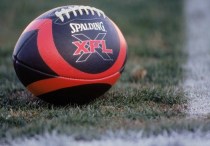
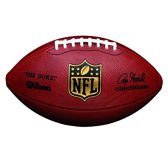
Three obvious points that the brand used in order to position its self were the name, slogan and logo. The name XFL or Extreme Football League told the public just about all they needed to know, its football just and extreme version of it. The logo opted for an X as opposed to an E which provided a more aggressive look especially when comparing the company’s black and red XFL ball to the classic plain brown football.
Finally we have the company slogan “real men, real football” which was used to convey a sense of quality to the game, a brutish union of high quality athletes that could rival the toughest competitors on the field. In all cases name, logo and slogan it appears that the company was successful in imprinting their vison onto competitors, internal and external stakeholder and fans at the very beginning of the development phase (Stobart, 2011). Evidence of this was demonstrated opening night February 7th 2001 where the XFL more than doubled expected ratings and sold out games at the first three arenas (WWE, 2001). Initial success indicates that the brand was able to infiltrate their target audience with their identity and the cohesive message was convincing enough to receive attention; placing them in a competitive place for off season football. Ultimately issues would arrive as the season moved forward not because of initial attempts to position but for failure to differentiate in a positive way from their prime competitor.
A primary strategy the company used to promote it’s brand was a cohesive message broadcast through inspiring individuals that embody the message. Internal stakeholders in the venture included Jesse Ventura (Navy SEAL/ professional wrestler) as announcer and Dwayne Johnson (professional wrestle/ Movie star) as a promoter of the brand. Combined with the slogan, wrestling/ football/ masculine culture, everything about the upcoming series screamed the name extreme. As a descriptive name extreme fit very well embodying a meaningful, distinctive and visual name that the target audience could be excited about(Wheeler, 2012 pg.23). Males 12-34 provided the highest ratings for the XFL not unlike the WWE’s normal audience (WWE, 2001). The cohesive message between all elements to include the name are likely responsible for the initial excitement around the league.
The league lasted one season finishing the same year it started due to steep ratings decline. It could be argued that the founders branded the idea too well with promises that could not be delivered safely or even perhaps legally in the United States. Young men like me tuned in expecting to see war but ultimately found ourselves watching; well… football. In early 2018 McMahon announced that the WWE will be attempting the venture again in 2020 and we can only hope that this time around the exciting memorable and outlandish brand will match the actual product.
(10/22/12). Designing Brand Identity: An Essential Guide for the Whole Branding Team, 4th Edition. [MBS Direct]. Retrieved from https://mbsdirect.vitalsource.com/#/books/undefined/
Stobart, P. (2011). Creating powerful brands. In J. Law, Business: the ultimate resource (3rd ed.). London, UK: A&C Black. Retrieved from http://ezproxy.snhu.edu/login?url=https://search.credoreference.com/content/entry/ultimatebusiness/creating_powerful_brands/0?institutionId=943
WWE. (2001, February 7). XFL Opening Weekend an Unqualified Success. Retrieved from https://corporate.wwe.com/news/company-news/2001/02-07-2001
Wheeler, A.(10/22/12). Designing Brand Identity: An Essential Guide for the Whole Branding Team, 4th Edition. [MBS Direct]. Retrieved from https://mbsdirect.vitalsource.com/#/books/undefined/
XFL. (2001, January 16). NO FAIR CATCHES: XFL OFFICIALLY ANNOUNCES RULES HIGHLIGHTS. Retrieved January 18, 2019, from https://xflboard.com/rules.php

 MKT 345